
A practical guide
Photographing wildlife in Borneo
Photographing wildlife in Sabah means managing dark canopies and high humidity while moving heavy lenses safely on small aircraft and river boats.
The basics
Taking heavy glass
Photographing wildlife means taking heavy glass into the dense forests and making the most of brief windows of optimal light. The best shots often come from modifying how you travel. You will swap standard hotel dining schedules for pre-dawn starts on a 347-metre canopy walkway or late nights out in modified vehicles to target nocturnal cats.
The practical side requires thought because you are taking sensitive equipment into near-constant humidity and moving it on small turboprop aircraft. This guide explains how to manage the light and protect your gear while positioning yourself for the brief windows of optimal wildlife activity.

Daily schedule
The forest canopy light
The equatorial convection cycle dictates your daily schedule. The cooler hours between 6am and 11am are your main window for photographing active wildlife.
Prime lenses and optics
A 600mm f/4 prime lens provides speed to capture rapid movement in the shadows.
Electric outboard skiffs
Glide close to primates at eye level.
Suspended canopy walkways
The canopy walkways act as 25-metre-high vertical hides.
Cameras in high humidity
Leave equipment in a shaded ambient area for at least 30 minutes before shooting.
Other places
Alternative stays

Kinabatangan River
The Kinabatangan floodplain holds the highest concentration of wildlife in Borneo. This is where you go to track orangutans and proboscis monkeys from a boat.
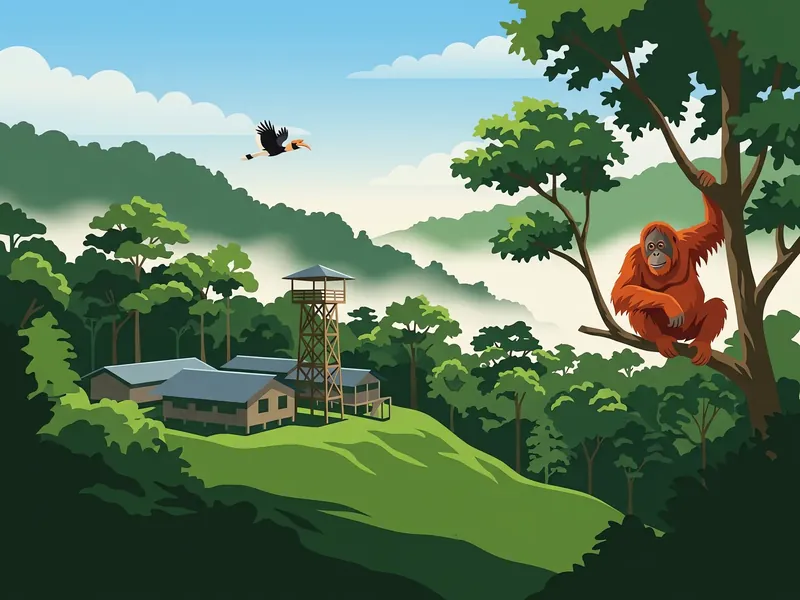
Danum Valley Study Centre
Deep inside the Danum Valley Conservation Area, this working research station offers a stay focused entirely on the 50-kilometre trail network and the rainforest ecology.

Borneo Rainforest Lodge
Situated on the Danum River inside a primary rainforest of a lineage some 130 million years old, this 31-chalet lodge offers high-end comfort and expert wildlife guiding 2.5 hours from Lahad Datu.
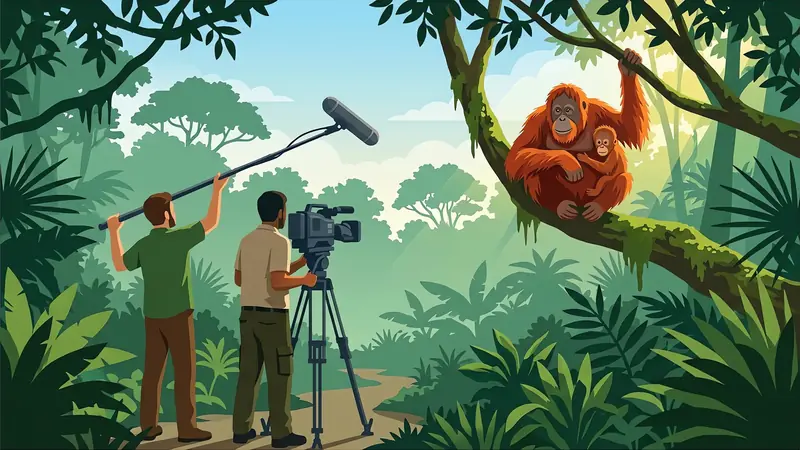
Sabah on Screen
The landmark natural history documentaries shot in Sabah often compress months of work into moments. This guide covers the real filming loca
Daily schedule
Plan your expedition
Tell the team you are coming for wildlife photography, and they will build an itinerary around the best light.